Introduction
The phrase “Australian buddies” represents far more than casual friendship. In Australia, the concept of being a “buddy” is deeply rooted in the nation’s identity, history, and everyday life. Known locally as mateship, this bond reflects loyalty, equality, trust, and standing by one another in both good times and bad. From the dusty outback to bustling coastal cities, Australian buddies share a unique social connection that defines how Australians interact with friends, coworkers, neighbors, and even strangers.
This article explores the meaning of Australian buddies, how mateship developed historically, its role in modern Australian society, and why it remains one of the strongest cultural values in the country. Whether seen in sports, workplaces, military history, or daily conversations, the spirit of Australian buddies continues to shape the national character.
What Does “Australian Buddies” Mean?
The Meaning of Buddy in Australia
In Australia, the word “buddy” is commonly used as a friendly term of address. It can refer to:
- A close friend
- A coworker
- A teammate
- Someone you just met
Unlike in many other cultures, Australians often call even strangers “buddy” as a sign of friendliness and equality. It reflects a relaxed social attitude where hierarchy matters less than mutual respect.
Mateship vs Friendship
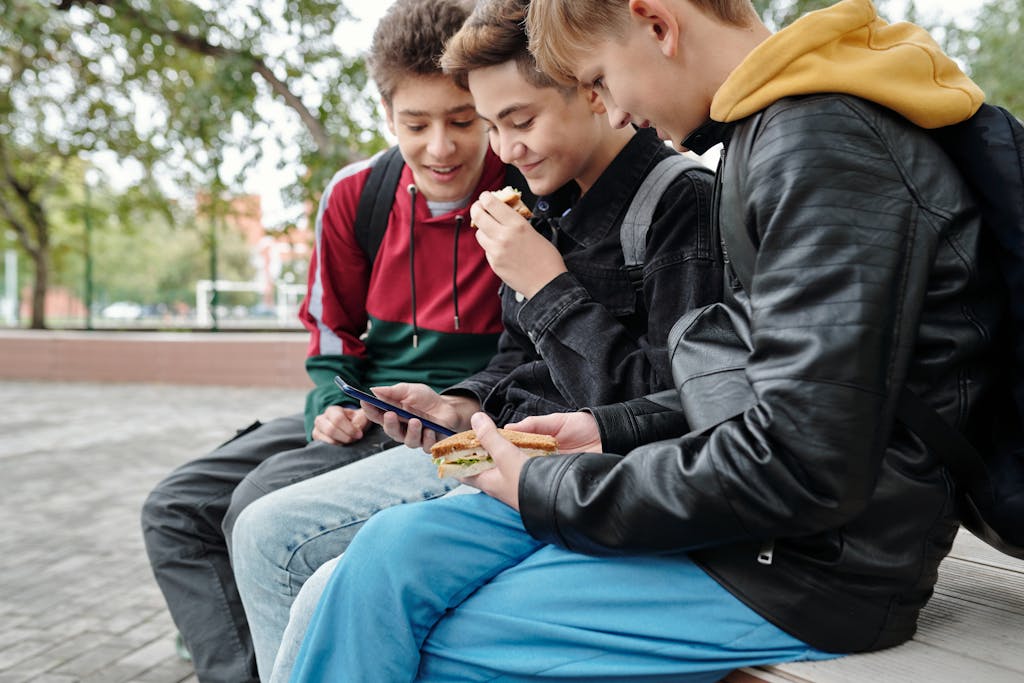
While friendship exists everywhere, mateship is distinct. Australian buddies are not just people who enjoy each other’s company; they:
- Support one another during hardship
- Stand up for fairness
- Share responsibility
- Avoid social superiority
This deep-rooted value makes Australian buddies feel more like lifelong allies than casual companions.
Historical Roots of Australian Buddies
Convict Era and Early Settlers
The idea of Australian buddies began during the early colonial period. Convicts transported to Australia had to rely on one another to survive harsh conditions. With little support from authorities, cooperation and loyalty became essential.
These early bonds laid the foundation for mateship:
- Shared labor
- Mutual protection
- Trust among equals
The Gold Rush Era
During the 1850s gold rush, miners from different backgrounds formed strong friendships. Living in remote camps, they depended on their buddies for:
- Safety
- Food
- Emotional support
This period strengthened the idea that Australian buddies stand together regardless of origin, wealth, or status.
ANZAC Legend and War Time Bonds
One of the strongest symbols of Australian buddies comes from World War I, especially the ANZAC (Australian and New Zealand Army Corps) soldiers.
In battlefields like Gallipoli:
- Soldiers relied on mates for survival
- Loyalty meant risking life for a buddy
- Rank mattered less than trust
This wartime mateship became a defining national value and is still honored today on ANZAC Day.
Australian Buddies in Everyday Life
Casual Communication and Language
Australians frequently use friendly terms like:
- Mate
- Buddy
- Pal
- Legend
These words create instant social connection. Calling someone “buddy” removes formality and establishes equality.
Helping Without Being Asked
A key trait of Australian buddies is unspoken support. Whether it’s helping a neighbor move, fixing a car, or offering emotional support, assistance is often given without expectation of reward.
Humor and Teasing
Australian buddies often show affection through:
- Light teasing
- Sarcasm
- Playful jokes
This humor strengthens bonds and reflects comfort and trust.
Australian Buddies in Sports Culture
Team Loyalty
Sport plays a major role in Australian life. From cricket and rugby to AFL and surfing, teammates become lifelong buddies.
In sports culture:
- Players support each other on and off the field
- Wins and losses are shared experiences
- Loyalty is valued more than individual glory
Fans as Buddies
Even sports fans form buddy-like connections:
- Strangers bond over shared teams
- Stadiums become social spaces
- Rivalries remain friendly and respectful
Australian Buddies at Work
Equality in the Workplace
Australian work culture is less hierarchical compared to many countries. Employees often treat colleagues and managers as buddies.
Common traits include:
- First-name communication
- Open discussions
- Mutual respect
Team Cooperation
Australian buddies in the workplace:
- Share workloads
- Help each other meet deadlines
- Value collaboration over competition
This approach increases productivity and workplace satisfaction.
The Role of Australian Buddies in Rural and Outback Life
Survival Through Cooperation
In rural Australia and the outback, isolation makes mateship essential. Neighbors may live kilometers apart, but when help is needed, buddies respond immediately.
Examples include:
- Emergency assistance
- Farm labor support
- Disaster recovery during floods or bushfires
Community Bonds
Small towns thrive on buddy relationships where:
- Everyone knows each other
- Trust is high
- Community events bring people together
Australian Buddies and Multiculturalism

Inclusivity and Acceptance
Modern Australia is highly multicultural. The idea of Australian buddies extends beyond race, religion, or nationality.
New migrants often find:
- Locals welcoming them as mates
- Easy social integration
- Respect regardless of background
Shared Values Over Differences
Australian buddies focus on:
- Fairness
- Honesty
- Humor
These shared values unite diverse communities.
Australian Buddies in Digital and Modern Times
Online Friendships
Social media and online gaming have introduced new forms of mateship. Australian buddies now connect through:
- Online forums
- Multiplayer games
- Social platforms
Despite digital distance, the same principles of loyalty and respect apply.
Maintaining Traditions in a Fast World
Even as lifestyles change, Australians continue to value:
- Catching up with buddies
- Weekend barbecues
- Outdoor adventures
The spirit remains strong.
Australian Buddies During Crisis
Natural Disasters
Australia frequently faces bushfires, floods, and droughts. During these crises, mateship shines brightest.
Australian buddies:
- Volunteer for rescue operations
- Donate resources
- Support affected families
Pandemic Solidarity
During global challenges like COVID-19, Australians showed:
- Community support
- Care for vulnerable buddies
- Collective responsibility
Why Australian Buddies Are Unique
No Class Barriers
Australian buddies reject rigid class systems. A cleaner, manager, farmer, or CEO can all be mates.
Emotional Strength Without Sentimentality
Australian buddies may not always express emotions openly, but their actions show deep care and commitment.
Long-Lasting Loyalty
Once someone becomes a buddy, the bond often lasts a lifetime.
Common Misconceptions About Australian Buddies
It’s Not Just Slang
Calling someone “buddy” is not meaningless; it reflects cultural values.
It’s Not Exclusive
Australian buddies welcome newcomers rather than excluding them.
It’s Not Weakness
Supporting others is seen as strength, not vulnerability.
How to Become an Australian Buddy
If you want to embrace this culture:
- Be genuine
- Help others without expectation
- Respect equality
- Use humor kindly
- Be reliable
Australian Buddies in Global Perspective
Compared to other cultures, Australian buddies emphasize:
- Informality
- Trust
- Shared experience
This makes Australian social interactions feel warm and approachable to outsiders.
Future of Australian Buddies
Despite modernization, the concept remains strong. Schools, families, sports, and communities continue to pass down the value of mateship.
The future will likely see:
- Digital mateship growth
- Continued inclusivity
- Strong community spirit
Frequently Asked Questions (FAQs)
What does “Australian buddies” mean?
It refers to the strong cultural bond of friendship and loyalty known as mateship in Australia.
Is mateship still important in Australia?
Yes, it remains a core value in social life, work culture, and national identity.
Can foreigners become Australian buddies?
Absolutely. Australians are welcoming and inclusive.
Why do Australians say “buddy” so often?
It reflects equality, friendliness, and informal respect.
Is mateship only for men?
No. Mateship applies to all genders and communities.
Conclusion
The concept of Australian buddies is more than friendship—it is a cultural foundation built on trust, equality, loyalty, and mutual support. From historical struggles to modern social life, mateship has shaped how Australians interact with one another and the world. Whether through humor, help in hard times, or everyday companionship, Australian buddies represent the heart of Australian identity.
In a rapidly changing world, this timeless bond continues to unite people, proving that true friendship—built on respect and solidarity—will always matter.
Here are 20 frequently asked questions about Grok, the AI built by xAI, along with clear answers based on the latest information.
- What is Grok?
Grok is an AI chatbot and assistant developed by xAI, inspired by the Hitchhiker’s Guide to the Galaxy. It’s designed to be maximally truth-seeking, helpful, and witty, with advanced capabilities in reasoning, coding, visual processing, and real-time information retrieval. - Who created Grok?
Grok is built by xAI, a company founded by Elon Musk to advance human scientific discovery and understand the universe. - How can I access Grok?
You can use Grok on grok.com, x.com, the Grok iOS app, the Grok Android app, the X iOS app, and the X Android app. - Is Grok free to use?
Yes, Grok 3 is available for free on all supported platforms, though with limited usage quotas. Paid subscriptions offer higher limits and additional features. - What is the difference between Grok 3 and Grok 4?
Grok 3 is the widely available model (free with limits), while Grok 4 is a more advanced, smarter version with superior reasoning and performance, available only to paid subscribers. - How do I get access to Grok 4?
Grok 4 is exclusive to SuperGrok subscribers on grok.com or X Premium+ subscribers. - What is SuperGrok?
SuperGrok is a paid subscription plan on grok.com that provides higher usage quotas for Grok 3, access to Grok 4, and other enhanced features. - What is voice mode in Grok?
Grok has a voice mode for natural conversations, currently available only on the Grok iOS and Android apps. - Can Grok generate images?
Yes, Grok can generate and edit images. If you’d like me to create one, please confirm the details first. - Does Grok have real-time information access?
Yes, Grok has strong real-time search capabilities, pulling from the web and X for up-to-date information. - What makes Grok different from other AI chatbots like ChatGPT?
Grok emphasizes maximum truth-seeking, humor, less filtering on controversial topics, real-time X integration, and a rebellious personality inspired by sci-fi. - Is there an xAI API for developers?
Yes, xAI offers an API for integrating Grok models into applications. For details, visit https://x.ai/api. - How do I delete my Grok account or manage data?
You can manage or delete your account via settings on grok.com. Conversations can be set to private (deleted within 30 days) or shared links revoked. - Do I own the content generated by Grok?
Yes, you own the outputs (including images) from your conversations with Grok and can use them commercially. - Is Grok available on mobile?
Yes, via dedicated Grok apps on iOS and Android, as well as through the X apps. - What are the usage limits for free Grok?
Free access to Grok 3 has quotas (e.g., limited queries per period). Paid plans like SuperGrok remove or significantly increase these limits. - Can Grok help with coding or math problems?
Absolutely—Grok excels at coding assistance, debugging, math reasoning, and step-by-step explanations. - Is Grok multimodal (does it handle images/videos)?
Yes, Grok supports image understanding, generation, editing, and video analysis in some contexts. - How do I check or manage my subscription for Grok?
For SuperGrok details, visit https://x.ai/grok. For X Premium subscriptions, see https://help.x.com/en/using-x/x-premium. - Does xAI have any other products besides Grok?
No, xAI’s primary product is Grok and related models/API services. There are no other consumer products.
ALSO READ MORE Uploadblog.com The Ultimate Guide to Effortless Blogging and File Sharing