Introduction
World War 2 remains one of the most defining events in global history. Fought between 1939 and 1945, it reshaped political boundaries, transformed societies, and altered the course of human civilization. A World War 2 log serves as a chronological record of events, decisions, battles, and consequences that unfolded across continents. Unlike a simple timeline, a war log captures the unfolding reality of the conflict—day by day, year by year—revealing how individual moments collectively shaped the outcome of the war.
This article presents a comprehensive World War 2 log, detailing major events, military campaigns, political developments, and human experiences. From the rise of totalitarian regimes to the devastation of atomic warfare, this log-style narrative provides a clear and in-depth understanding of how World War 2 evolved and why it still matters today.
Background to World War 2
The Aftermath of World War 1
The roots of World War 2 lie deeply embedded in the unresolved tensions following World War 1. The Treaty of Versailles, signed in 1919, imposed heavy economic penalties and territorial losses on Germany. These harsh conditions led to political instability, economic collapse, and widespread resentment among the German population World War 2 Log.
Across Europe, nations struggled to rebuild their economies. The League of Nations was established to maintain peace, but it lacked enforcement power. As a result, aggressive states soon began to challenge the fragile post-war order.
The Rise of Totalitarian Powers
During the 1930s, authoritarian regimes gained power in several countries. Adolf Hitler rose to leadership in Germany, promising national revival and expansion. Benito Mussolini established a fascist state in Italy, while Japan pursued militaristic expansion in East Asia. These nations shared ambitions of territorial growth and rejected the existing international system.
The failure of democratic nations to respond decisively to early acts of aggression—such as Japan’s invasion of Manchuria and Italy’s attack on Ethiopia—encouraged further expansion. These developments set the stage for global conflict World War 2 Log.
World War 2 Log: Year-by-Year Chronology
1939: The War Begins
The official start of World War 2 is logged on September 1, 1939, when Germany invaded Poland. Using blitzkrieg tactics—rapid attacks combining air power, tanks, and infantry—German forces overwhelmed Polish defenses.
On September 3, Britain and France declared war on Germany. Europe was once again plunged into conflict World War 2 Log.
Key Events of 1939:
- Germany invades Poland
- Britain and France declare war
- The Soviet Union occupies eastern Poland under a secret agreement with Germany
- The war expands across Europe
This initial phase of the World War 2 log highlights how quickly diplomacy collapsed into open warfare.
1940: Expansion and Blitzkrieg Warfare
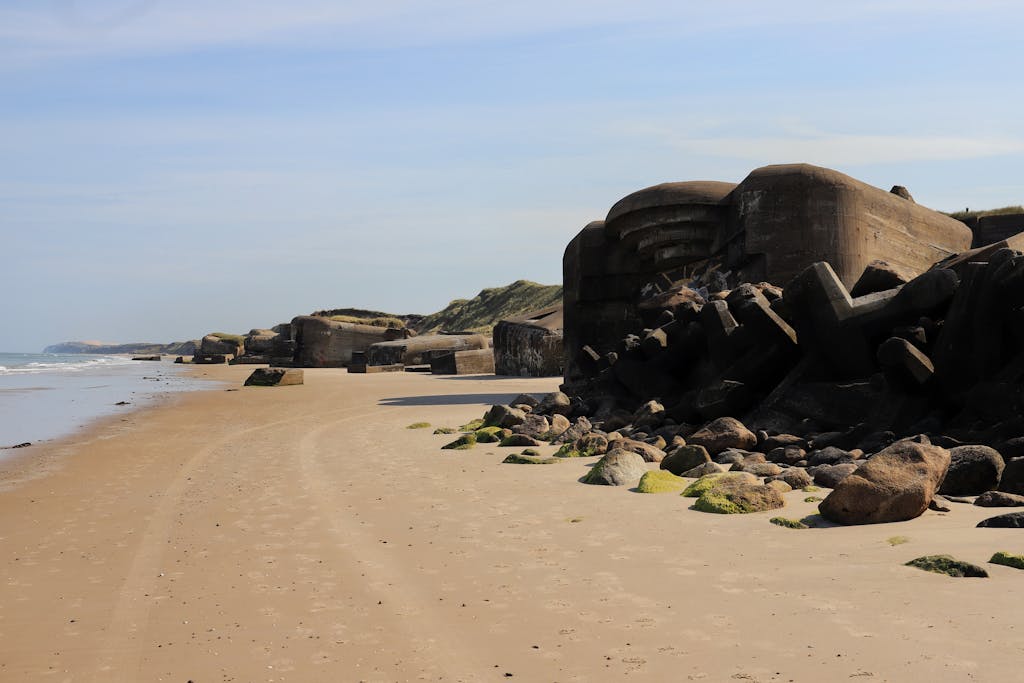
In 1940, Germany launched a series of devastating campaigns across Western Europe. Denmark and Norway fell in April. In May, German forces invaded Belgium, the Netherlands, and France.
France surrendered in June 1940, marking one of the most shocking moments in the World War 2 log. British forces evacuated from Dunkirk in a massive rescue operation, preserving their army but leaving Europe largely under Nazi control.
The Battle of Britain
Later in 1940, Germany attempted to gain air superiority over Britain. The Battle of Britain was fought primarily in the skies, with the Royal Air Force successfully resisting the German Luftwaffe.
Key Events of 1940:
- Fall of France
- Evacuation at Dunkirk
- Battle of Britain
- Italy joins the war on Germany’s side
Britain’s survival ensured that Germany failed to dominate Western Europe completely.
1941: Globalization of the War
The year 1941 marked a turning point in the World War 2 log as the conflict expanded beyond Europe.
Operation Barbarossa
In June 1941, Germany launched Operation Barbarossa, the invasion of the Soviet Union. It was the largest military operation in history. Initially successful, German forces advanced rapidly but failed to capture Moscow before winter set in.
Attack on Pearl Harbor
On December 7, 1941, Japan attacked the United States naval base at Pearl Harbor. This event brought the United States fully into the war.
Key Events of 1941:
- German invasion of the Soviet Union
- Siege of Leningrad begins
- Japanese attack on Pearl Harbor
- United States enters World War 2
From this point onward, World War 2 became a truly global conflict.
1942: Total War and Turning Points
By 1942, the war reached its most intense phase. Both Axis and Allied powers mobilized entire societies for total war.
The Pacific Theater
Japan expanded rapidly across Southeast Asia and the Pacific. However, the Battle of Midway in June 1942 became a decisive moment. The United States Navy defeated Japan, halting its expansion.
North Africa Campaign
In North Africa, Allied forces battled German and Italian troops. The campaign culminated in Allied victory in 1943, opening the path toward Southern Europe.
Key Events of 1942:
- Battle of Midway
- Battle of Stalingrad begins
- Height of Axis expansion
- Civilian populations heavily affected by war
The World War 2 log of 1942 reveals the scale of destruction and the shifting balance of power.
1943: The Tide Turns
The year 1943 marked a major turning point in World War 2.
Battle of Stalingrad
The German defeat at Stalingrad was catastrophic for Nazi Germany. The Soviet Union launched counteroffensives, pushing German forces westward.
Allied Advances
Allied forces invaded Italy, leading to Mussolini’s downfall. Meanwhile, strategic bombing campaigns intensified against Germany.
Key Events of 1943:
- German surrender at Stalingrad
- Allied invasion of Italy
- Increased resistance movements in occupied Europe
From this point, Axis powers were largely on the defensive.
1944: The Road to Victory
D-Day and Liberation of Europe
On June 6, 1944, Allied forces launched D-Day, the invasion of Normandy. This operation marked the beginning of the liberation of Western Europe.
As Allied armies advanced from the west and Soviet forces pushed from the east, Germany faced defeat on multiple fronts.
Key Events of 1944:
- D-Day invasion
- Liberation of Paris
- Battle of the Bulge
- Collapse of Axis control in Europe
The World War 2 log of 1944 reflects momentum firmly in Allied hands.
1945: The End of World War 2
Fall of Nazi Germany
In early 1945, Allied forces entered Germany. Adolf Hitler committed suicide in April, and Germany surrendered on May 7, 1945. Victory in Europe Day was celebrated worldwide.
Atomic Bombings and Japan’s Surrender
In August 1945, the United States dropped atomic bombs on Hiroshima and Nagasaki. Faced with devastating destruction, Japan surrendered on September 2, 1945, officially ending World War 2.
Key Events of 1945:
- Fall of Berlin
- German surrender
- Atomic bombings of Japan
- End of World War 2
Human Cost and Consequences
Casualties and Destruction
World War 2 resulted in an estimated 70–85 million deaths, including civilians and soldiers. Entire cities were destroyed, economies collapsed, and millions were displaced.
The Holocaust
One of the darkest entries in the World War 2 log is the Holocaust, during which six million Jews and millions of others were systematically murdered by the Nazi regime.
Political and Global Changes
After the war:
- The United Nations was formed
- Europe was divided into Eastern and Western blocs
- The Cold War began
- Former colonies moved toward independence
The war reshaped global power structures for decades to come.
Importance of a World War 2 Log
A World War 2 log is essential for understanding how events unfolded and why certain decisions were made. It allows historians, students, and readers to trace cause and effect across time.
Key benefits of maintaining a World War 2 log include:
- Preserving historical accuracy
- Understanding military strategy
- Learning lessons to prevent future conflicts
- Honoring those who lived and died during the war
Lessons from World War 2
World War 2 demonstrated the dangers of unchecked aggression, extreme nationalism, and intolerance. It also showed the importance of international cooperation, diplomacy, and human rights.
The log of World War 2 is not merely a record of battles—it is a warning and a guide for future generations.
Conclusion
The World War 2 log stands as one of the most important historical chronicles ever recorded. From the invasion of Poland to the surrender of Japan, each event played a role in shaping modern history. By studying this log, we gain insight into the causes, consequences, and complexities of global conflict.
World War 2 was not just a war of armies, but a war of ideologies, economies, and humanity itself. Remembering its log ensures that the sacrifices made are never forgotten and that the lessons learned continue to guide the world toward peace.
World War 2 Log: A Detailed Chronicle of the Greatest Conflict in Human History
Introduction
World War 2 remains one of the most defining events in global history. Fought between 1939 and 1945, it reshaped political boundaries, transformed societies, and altered the course of human civilization. A World War 2 log serves as a chronological record of events, decisions, battles, and consequences that unfolded across continents. Unlike a simple timeline, a war log captures the unfolding reality of the conflict—day by day, year by year—revealing how individual moments collectively shaped the outcome of the war.
This article presents a comprehensive World War 2 log, detailing major events, military campaigns, political developments, and human experiences. From the rise of totalitarian regimes to the devastation of atomic warfare, this log-style narrative provides a clear and in-depth understanding of how World War 2 evolved and why it still matters today.
Background to World War 2
The Aftermath of World War 1
The roots of World War 2 lie deeply embedded in the unresolved tensions following World War 1. The Treaty of Versailles, signed in 1919, imposed heavy economic penalties and territorial losses on Germany. These harsh conditions led to political instability, economic collapse, and widespread resentment among the German population.
Across Europe, nations struggled to rebuild their economies. The League of Nations was established to maintain peace, but it lacked enforcement power. As a result, aggressive states soon began to challenge the fragile post-war order.
The Rise of Totalitarian Powers
During the 1930s, authoritarian regimes gained power in several countries. Adolf Hitler rose to leadership in Germany, promising national revival and expansion. Benito Mussolini established a fascist state in Italy, while Japan pursued militaristic expansion in East Asia. These nations shared ambitions of territorial growth and rejected the existing international system.
The failure of democratic nations to respond decisively to early acts of aggression—such as Japan’s invasion of Manchuria and Italy’s attack on Ethiopia—encouraged further expansion. These developments set the stage for global conflict.
World War 2 Log: Year-by-Year Chronology
1939: The War Begins
The official start of World War 2 is logged on September 1, 1939, when Germany invaded Poland. Using blitzkrieg tactics—rapid attacks combining air power, tanks, and infantry—German forces overwhelmed Polish defenses.
On September 3, Britain and France declared war on Germany. Europe was once again plunged into conflict.
Key Events of 1939:
- Germany invades Poland
- Britain and France declare war
- The Soviet Union occupies eastern Poland under a secret agreement with Germany
- The war expands across Europe
This initial phase of the World War 2 log highlights how quickly diplomacy collapsed into open warfare.
1940: Expansion and Blitzkrieg Warfare
In 1940, Germany launched a series of devastating campaigns across Western Europe. Denmark and Norway fell in April. In May, German forces invaded Belgium, the Netherlands, and France.
France surrendered in June 1940, marking one of the most shocking moments in the World War 2 log. British forces evacuated from Dunkirk in a massive rescue operation, preserving their army but leaving Europe largely under Nazi control.
The Battle of Britain
Later in 1940, Germany attempted to gain air superiority over Britain. The Battle of Britain was fought primarily in the skies, with the Royal Air Force successfully resisting the German Luftwaffe.
Key Events of 1940:
- Fall of France
- Evacuation at Dunkirk
- Battle of Britain
- Italy joins the war on Germany’s side
Britain’s survival ensured that Germany failed to dominate Western Europe completely.
1941: Globalization of the War
The year 1941 marked a turning point in the World War 2 log as the conflict expanded beyond Europe.
Operation Barbarossa
In June 1941, Germany launched Operation Barbarossa, the invasion of the Soviet Union. It was the largest military operation in history. Initially successful, German forces advanced rapidly but failed to capture Moscow before winter set in.
Attack on Pearl Harbor
On December 7, 1941, Japan attacked the United States naval base at Pearl Harbor. This event brought the United States fully into the war.
Key Events of 1941:
- German invasion of the Soviet Union
- Siege of Leningrad begins
- Japanese attack on Pearl Harbor
- United States enters World War 2
From this point onward, World War 2 became a truly global conflict.
1942: Total War and Turning Points
By 1942, the war reached its most intense phase. Both Axis and Allied powers mobilized entire societies for total war.
The Pacific Theater
Japan expanded rapidly across Southeast Asia and the Pacific. However, the Battle of Midway in June 1942 became a decisive moment. The United States Navy defeated Japan, halting its expansion.
North Africa Campaign
In North Africa, Allied forces battled German and Italian troops. The campaign culminated in Allied victory in 1943, opening the path toward Southern Europe.
Key Events of 1942:
- Battle of Midway
- Battle of Stalingrad begins
- Height of Axis expansion
- Civilian populations heavily affected by war
The World War 2 log of 1942 reveals the scale of destruction and the shifting balance of power.
1943: The Tide Turns
The year 1943 marked a major turning point in World War 2.
Battle of Stalingrad
The German defeat at Stalingrad was catastrophic for Nazi Germany. The Soviet Union launched counteroffensives, pushing German forces westward.
Allied Advances
Allied forces invaded Italy, leading to Mussolini’s downfall. Meanwhile, strategic bombing campaigns intensified against Germany.
Key Events of 1943:
- German surrender at Stalingrad
- Allied invasion of Italy
- Increased resistance movements in occupied Europe
From this point, Axis powers were largely on the defensive.

1944: The Road to Victory
D-Day and Liberation of Europe
On June 6, 1944, Allied forces launched D-Day, the invasion of Normandy. This operation marked the beginning of the liberation of Western Europe.
As Allied armies advanced from the west and Soviet forces pushed from the east, Germany faced defeat on multiple fronts.
Key Events of 1944:
- D-Day invasion
- Liberation of Paris
- Battle of the Bulge
- Collapse of Axis control in Europe
The World War 2 log of 1944 reflects momentum firmly in Allied hands.
1945: The End of World War 2
Fall of Nazi Germany
In early 1945, Allied forces entered Germany. Adolf Hitler committed suicide in April, and Germany surrendered on May 7, 1945. Victory in Europe Day was celebrated worldwide.
Atomic Bombings and Japan’s Surrender
In August 1945, the United States dropped atomic bombs on Hiroshima and Nagasaki. Faced with devastating destruction, Japan surrendered on September 2, 1945, officially ending World War 2.
Key Events of 1945:
- Fall of Berlin
- German surrender
- Atomic bombings of Japan
- End of World War 2
Human Cost and Consequences
Casualties and Destruction
World War 2 resulted in an estimated 70–85 million deaths, including civilians and soldiers. Entire cities were destroyed, economies collapsed, and millions were displaced.
The Holocaust
One of the darkest entries in the World War 2 log is the Holocaust, during which six million Jews and millions of others were systematically murdered by the Nazi regime.
Political and Global Changes
After the war:
- The United Nations was formed
- Europe was divided into Eastern and Western blocs
- The Cold War began
- Former colonies moved toward independence
The war reshaped global power structures for decades to come.
Importance of a World War 2 Log
A World War 2 log is essential for understanding how events unfolded and why certain decisions were made. It allows historians, students, and readers to trace cause and effect across time.
Key benefits of maintaining a World War 2 log include:
- Preserving historical accuracy
- Understanding military strategy
- Learning lessons to prevent future conflicts
- Honoring those who lived and died during the war
Lessons from World War 2
World War 2 demonstrated the dangers of unchecked aggression, extreme nationalism, and intolerance. It also showed the importance of international cooperation, diplomacy, and human rights.
The log of World War 2 is not merely a record of battles—it is a warning and a guide for future generations.
Conclusion
The World War 2 log stands as one of the most important historical chronicles ever recorded. From the invasion of Poland to the surrender of Japan, each event played a role in shaping modern history. By studying this log, we gain insight into the causes, consequences, and complexities of global conflict.
World War 2 Log:7700bet11: An Online Casino Platform