Introduction
World War 1, also known as the Great War, stands as one of the most transformative events in human history. Fought between 1914 and 1918, it reshaped nations, redrew borders, destroyed empires, and altered political, social, and economic systems across the world. What began as a regional European conflict quickly expanded into a global war involving over 30 countries and affecting millions of lives World War 1:.
Unlike earlier wars, World War 1 was characterized by industrialized warfare, new military technologies, trench combat, and unprecedented levels of destruction. The war not only changed how wars were fought but also laid the foundation for future global conflicts, particularly World War 2.
This blog explores the causes, major events, key players, military strategies, life during the war, and the long-term consequences of World War 1 in detail.
Background of World War 1
Europe Before the War
In the early 20th century, Europe was a continent full of tension. Rapid industrial growth, nationalism, imperial competition, and complex alliances created a fragile balance of power. Major empires dominated the political landscape, including World War 1::
- The British Empire
- The German Empire
- The Austro-Hungarian Empire
- The Ottoman Empire
- The Russian Empire
Despite economic progress, political rivalries and unresolved conflicts made Europe highly unstable.
The Alliance System
Before World War 1, European nations formed alliances to protect themselves. These alliances divided Europe into two major camps:
- The Triple Entente: Britain, France, and Russia
- The Triple Alliance: Germany, Austria-Hungary, and Italy (Italy later switched sides)
While alliances were meant to maintain peace, they instead ensured that a small conflict could escalate into a large-scale war World War 1:.
Causes of World War 1
Historians often summarize the causes of World War 1 using the acronym M.A.I.N.:
1. Militarism
European nations aggressively built up their military forces and weapons. Countries glorified military power, believing that strength ensured national security and prestige.
2. Alliances
The rigid alliance system meant that when one country went to war, others were automatically pulled in, turning a local dispute into a global conflict.
3. Imperialism
Competition for colonies and global influence increased tensions, especially among European powers seeking economic dominance.
4. Nationalism
Strong nationalist feelings fueled conflict, particularly in the Balkans, where ethnic groups sought independence from empires World War 1:.
The Immediate Trigger
The assassination of Archduke Franz Ferdinand of Austria-Hungary on June 28, 1914, in Sarajevo was the immediate cause of the war. Austria-Hungary blamed Serbia and declared war, setting off a chain reaction among allied nations.
The Outbreak of World War 1
By August 1914, Europe was at war. Germany declared war on Russia and France, while Britain entered after Germany invaded Belgium. What leaders expected to be a short conflict quickly turned into a long and brutal war.
Major Fronts of World War 1
The Western Front
The Western Front stretched across France and Belgium and became the most infamous battlefield of the war World War 1:.
Trench Warfare
Soldiers dug trenches to protect themselves from enemy fire. These trenches created a deadly stalemate where neither side could gain significant ground. Life in the trenches was miserable, with soldiers facing World War 1::
- Mud and flooding
- Disease and infections
- Constant shelling
- Psychological trauma
Major battles on the Western Front included:
- Battle of the Marne
- Battle of Verdun
- Battle of the Somme
The Eastern Front
The Eastern Front was more fluid than the Western Front. Germany and Austria-Hungary fought against Russia across Eastern Europe. Russia suffered massive losses, contributing to internal unrest World War 1:.
The Italian Front
Italy joined the Allies in 1915 and fought Austria-Hungary in the mountainous Alps, where harsh terrain made combat extremely difficult.
The Ottoman Fronts
The Ottoman Empire fought on multiple fronts, including World War 1::
- The Gallipoli Campaign
- The Middle Eastern Front
- North Africa
New Weapons and Technology in World War 1
World War 1 introduced terrifying new technologies that changed warfare forever World War 1:.
Machine Guns
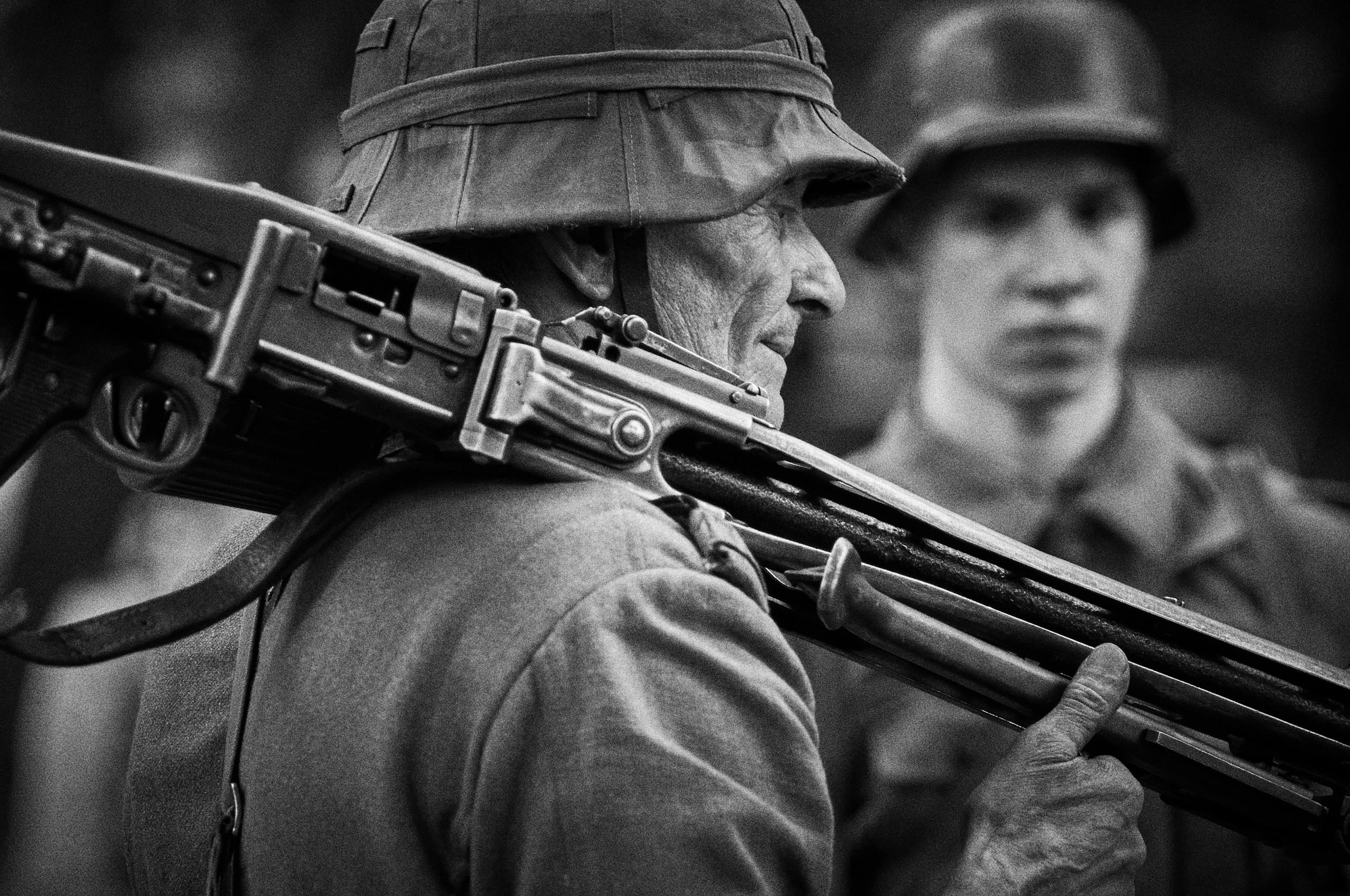
Machine guns could fire hundreds of rounds per minute, making frontal attacks extremely deadly.
Poison Gas
Chemical weapons such as chlorine gas and mustard gas caused severe injuries and deaths, leading to long-term health problems for survivors World War 1:.
Tanks
Tanks were introduced to break trench stalemates. Although early models were slow and unreliable, they marked the future of armored warfare World War 1:.
Submarines
German U-boats attacked enemy ships, disrupting supply lines and drawing neutral nations into the conflict World War 1:.
Aircraft
Airplanes were initially used for reconnaissance but later became weapons of combat through dogfights and bombing missions.
Life During World War 1
Soldiers’ Experiences
Millions of soldiers endured unimaginable conditions. Many suffered from shell shock, now known as post-traumatic stress disorder (PTSD).
Civilians on the Home Front
Civilians played a crucial role by working in factories, rationing food, and supporting war efforts. Women entered the workforce in large numbers, changing traditional gender roles.
Propaganda
Governments used propaganda to boost morale, encourage enlistment, and demonize the enemy.
The Role of the United States
Neutrality at the Start
The United States initially remained neutral, focusing on trade and diplomacy World War 1:.
Entry into the War
The U.S. entered World War 1 in 1917 due to several factors:
- German submarine attacks on American ships
- The Zimmermann Telegram, proposing a German-Mexican alliance against the U.S World War 1:.
Impact of American Involvement
Fresh American troops and resources boosted Allied morale and helped turn the tide of the war World War 1:.
The End of World War 1
The Final Offensive
In 1918, Allied forces launched a series of successful attacks that pushed back German troops.
Armistice
On November 11, 1918, an armistice was signed, ending the fighting. The date is still commemorated as Armistice Day or Remembrance Day.
The Treaty of Versailles
In 1919, world leaders met to negotiate peace. The Treaty of Versailles imposed harsh penalties on Germany, including:
- Loss of territory
- Military restrictions
- War guilt clause
- Heavy reparations
While intended to prevent future wars, the treaty created resentment and instability World War 1:.
Consequences of World War 1
Political Changes
- Collapse of major empires
- Creation of new nations in Europe and the Middle East
- Rise of extremist ideologies
Economic Impact
Many countries faced economic devastation, inflation, and unemployment.
Social Transformation
- Expanded roles for women
- Changes in class structures
- Increased demand for political reforms
Seeds of World War 2
Unresolved tensions and economic hardship contributed directly to the rise of fascism and the outbreak of World War 2.
World War 1 in Modern Memory
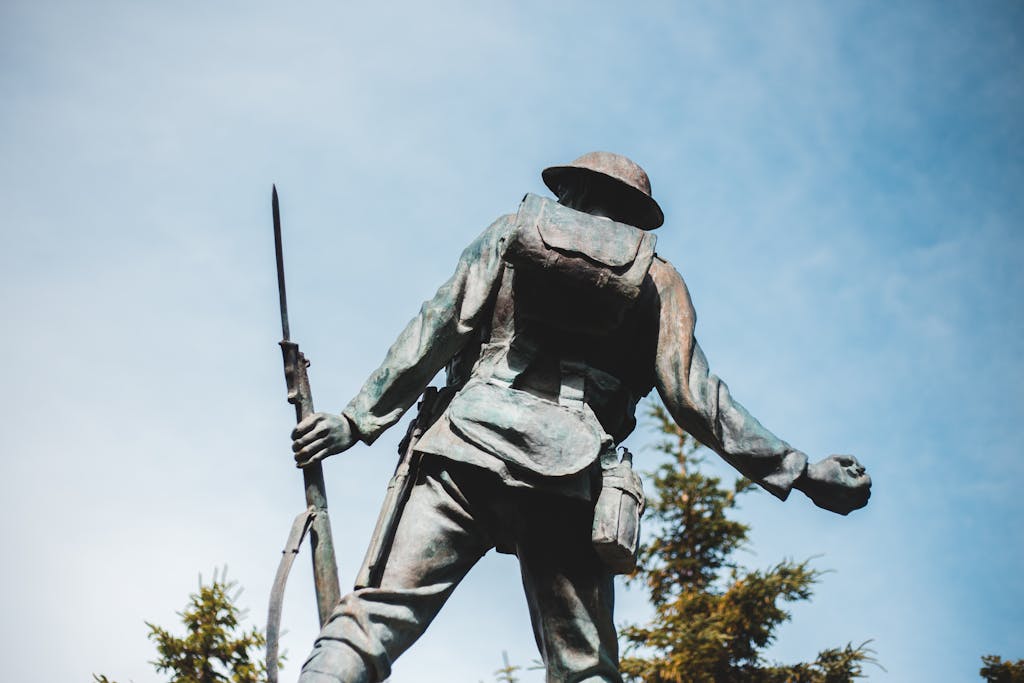
World War 1 is remembered through memorials, literature, films, and annual ceremonies honoring those who served. It remains a powerful reminder of the cost of war and the importance of diplomacy World War 1:.
Conclusion
World War 1 was far more than a military conflict; it was a turning point in global history. It reshaped nations, introduced modern warfare, and changed societies forever. The lessons of World War 1—about nationalism, alliances, and the consequences of unresolved conflict—remain relevant today.
Understanding World War 1 helps us appreciate the sacrifices made and reminds us why peace, cooperation, and dialogue are essential in preventing future global tragedies World War 1:.