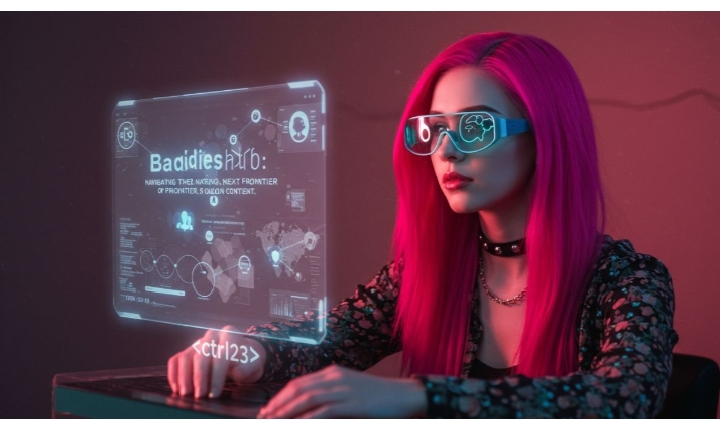
In an era where social media scrolls feel like endless mirrors reflecting our aspirations, BaddieHub emerges as a vibrant canvas for unapologetic boldness. This platform isn’t just another app in the crowded digital landscape—it’s a movement, a rebellion wrapped in glossy filters and fierce poses. Here, users don’t just post; they proclaim. As we peel back the layers of this phenomenon, we’ll explore how BaddieHub is redefining self-expression, one empowering image at a time. Whether you’re a seasoned scroller or a curious newcomer, buckle up—this is the story of confidence digitized.
What is BaddieHub?
At its heart,theBaddieHub,com is a dynamic online ecosystem designed to amplify the voices and visuals of those who embody the “baddie” vibe. Launched in the early 2020s amid the explosion of creator-driven content, it serves as a hybrid space: part social network, part content marketplace, and all empowerment hub. Users upload photos, videos, and stories showcasing everything from high-fashion streetwear to intimate lifestyle glimpses, all infused with that signature baddie energy—think sharp contours, radiant skin, and an aura of “I woke up like this, but better.”
Unlike traditional social platforms that prioritize algorithmic feeds of mundane updates, BaddieHub curates content around themes of self-love, style mastery, and boundary-pushing creativity. It’s accessible via web and mobile apps, with features like interactive challenges (e.g., “Baddie Glow-Up Week”) and collaborative mood boards that let users co-create trends. By November 2025, it boasts millions of active users worldwide, proving that in a world of filtered perfection, authenticity laced with attitude wins every time.
What sets it apart? The platform’s emphasis on community governance—users vote on featured content and suggest features—fosters a sense of ownership. It’s not just a site; it’s a sisterhood, where aspiring influencers rub digital shoulders with established icons. In essence, BaddieHub is the digital equivalent of strutting into a room and owning it, minus the heels (though plenty of users showcase those too).
BaddieHub Review
Diving into a hands-on review of BaddieHub feels like stepping into a high-energy photoshoot: exhilarating, empowering, and occasionally overwhelming. As someone who’s navigated its sleek interface for weeks, here’s the unfiltered scoop.
Pros: The user experience is a dream—intuitive navigation with customizable profiles that let you toggle between public “baddie boards” and private vaults for exclusive shares. Content discovery is spot-on, thanks to AI-driven recommendations that evolve with your likes (no more endless cat videos interrupting your vibe). Community engagement shines through live “Baddie Banters,” where users host real-time Q&As on everything from contouring hacks to career pivots. For creators, the built-in analytics dashboard is gold, tracking engagement metrics that help refine your brand without needing a data science degree.
Monetization is seamless, with low entry barriers for tipping and subscriptions starting at just $4.99/month. Security-wise, end-to-end encryption for private messages and robust reporting tools make it feel safer than many peers. Visually, it’s a feast: high-res uploads load lightning-fast, and augmented reality filters add that extra layer of fun, like virtually trying on a faux fur coat mid-scroll.
Cons: The flip side? Over-saturation in peak hours can bury gems under a pile of thirst traps, and while moderation is proactive, occasional spam slips through. Newbies might find the lingo intimidating—”slayage” and “drip check” aren’t exactly entry-level. Also, ad placements, though tasteful, can interrupt immersive sessions.
Overall Rating: 4.5/5. BaddieHub isn’t perfect, but it’s perfectly poised for those ready to level up their digital presence. If you’re tired of vanilla feeds, this is your glow-up gateway. Worth the download? Absolutely—especially if you’re chasing that “main character” energy.
The Origins of the “Baddie” Aesthetic
To understand BaddieHub, we must trace the roots of its muse: the baddie aesthetic. This style didn’t burst onto the scene overnight; it simmered in the cultural undercurrents of the late 2000s and early 2010s, drawing from the rich tapestries of urban Black and Latinx communities. Picture the unyielding swagger of hip-hop queens like Nicki Minaj, whose larger-than-life personas blended fierce lyricism with body-positive flair, laying the groundwork for what would become “baddie” ethos.
By the mid-2010s, social media ignited the spark. Platforms like Instagram and Vine became breeding grounds for viral clips of women owning their curves—think contour-heavy makeup tutorials and street-style snaps that screamed confidence over conformity. Influencers from diverse backgrounds, often overlooked in mainstream beauty narratives, pioneered the look: full lips enhanced by liner, waist-cinching fits, and an attitude that said, “I’m not asking for space; I’m taking it.”
The term “baddie” itself evolved from slang in rap battles and club scenes, where it denoted someone effortlessly cool and unattainable. Enter the Kardashian-Jenner clan, who amplified it through their reality TV empire, but let’s be clear: the core was already pulsing in online enclaves like Tumblr’s body-positivity tags and YouTube’s “get ready with me” vlogs by creators of color. By 2018, TikTok’s algorithm supercharged it, turning bedroom dances into global trends.
Fast-forward to today, and the baddie aesthetic has morphed into a global lexicon—adaptable, inclusive, yet rooted in that original fire of self-assured rebellion. It’s less a trend and more a mindset, one that BaddieHub has masterfully bottled for the digital age.
The Purpose of BaddieHub
BaddieHub wasn’t born from corporate boardrooms but from a genuine itch: the need for a space where bold self-expression thrives without the shackles of judgmental algorithms or puritanical policies. Its core purpose? To democratize the baddie lifestyle, making tools for creation, connection, and celebration accessible to all who dare to shine.
At its foundation, the platform aims to foster empowerment. In a world where women’s online experiences often teeter between hyper-scrutiny and erasure, BaddieHub flips the script. It provides tutorials on building personal brands, mental health check-ins disguised as “vibe resets,” and forums for discussing everything from wage gaps to wardrobe wins. It’s about more than aesthetics—it’s a toolkit for turning “I wish” into “watch me.”
Beyond individual growth, BaddieHub seeks to build bridges. Collaborative features encourage cross-cultural exchanges, like virtual fashion swaps between users in Tokyo and Toronto. And let’s not forget the charitable angle: proceeds from select challenges fund women’s initiatives, from STEM scholarships to anti-harassment campaigns. In short, BaddieHub’s purpose is multifaceted—to inspire, unite, and uplift, proving that digital spaces can be as fierce as the women who inhabit them.
Who is the Target Audience?
BaddieHub’s magic lies in its laser-focused yet expansive audience: primarily women and non-binary folks aged 18-35 who resonate with the baddie blueprint. These are the dreamers and doers—the college students experimenting with bold brows in dorm mirrors, young professionals curating LinkedIn headshots with a side of sass, and influencers-in-the-making who see vulnerability as their superpower.
Demographically, it’s a mosaic: urban millennials and Gen Zers from bustling cities like LA and Lagos, where street style is currency. But it’s not exclusive; the platform’s inclusivity draws in global voices, from South Asian creators blending bindis with bodycon to Eastern European users reclaiming post-Soviet beauty standards. Psychographically, it’s for the unapologetic optimists—the ones who journal affirmations while blasting Megan Thee Stallion, who view setbacks as setup for comebacks.
Men and allies aren’t sidelined; they join as supporters, collaborators, or learners, adding depth to discussions on allyship. Ultimately, the target isn’t defined by demographics alone but by a shared hunger: to express without apology, connect without compromise, and evolve without exhaustion. If that sounds like you, BaddieHub’s door is wide open.
Controversies Surrounding BaddieHub
No platform rises without ripples, and BaddieHub’s ascent has stirred its share of storms. While celebrated for its boldness, it’s critiqued for the very traits that make it magnetic. Let’s unpack the key flashpoints.
1. Explicit Content and Legal Implications
BaddieHub’s embrace of NSFW (not safe for work) material—ranging from empowering boudoir shoots to edgier expressions—has sparked debates on boundaries. Proponents argue it’s consensual artistry, a far cry from exploitative porn; critics, however, worry about blurred lines, especially with age verification challenges. Legally, the platform navigates a tightrope: compliant with U.S. Section 230 protections but facing international scrutiny under varying obscenity laws. Incidents of leaked content have fueled calls for stricter guidelines, prompting BaddieHub to roll out enhanced watermarking and consent logs by mid-2025. The implication? What empowers one user might endanger another, highlighting the eternal dance between freedom and responsibility.
2. Objectification and Stereotyping
At its worst, the baddie aesthetic risks reducing women to visual commodities—endless feeds of idealized bodies that whisper “strive harder” instead of “you are enough.” Detractors claim BaddieHub amplifies Eurocentric beauty tropes, sidelining diverse representations despite inclusive claims. Stereotyping creeps in too: the “baddie” label can pigeonhole users as one-dimensional divas, ignoring their intellect or struggles. Responses from the community? Pushback through #RealBaddieRevolution campaigns, where users share unfiltered stories of imperfection. It’s a reminder that aesthetics, unchecked, can cage the very spirits they seek to liberate.
3. Privacy and Data Use
In an age of data breaches, BaddieHub’s robust features come with vulnerabilities. High-profile hacks in 2024 exposed private DMs, eroding trust and igniting lawsuits over lax encryption. The platform’s data practices—using user metrics for targeted ads—raise eyebrows: does personalization empower or exploit? While GDPR-compliant in Europe, global inconsistencies persist. BaddieHub’s retort? Transparent audits and opt-out tools, but skeptics demand more. Privacy isn’t just a feature; it’s the foundation of safe self-expression.
4. Platform Authenticity
Is BaddieHub a genuine haven or a glossy facade? Accusations of bot-driven engagement and paid influencer pushes undermine its organic vibe. Some users report shadow-bans for “too real” content, questioning algorithmic fairness. Authenticity battles rage on: is the platform curating community or curating clicks? Ongoing reforms, like user-led moderation councils, aim to restore faith, but the jury’s out. In a filtered world, the quest for realness is BaddieHub’s toughest test.
The Cultural Significance of BaddieHub
BaddieHub isn’t just a platform; it’s a cultural barometer, pulsing with the rhythms of modern femininity. It mirrors—and molds—shifts in how we define power: not in boardrooms alone, but in bedrooms and beyond. By centering marginalized voices, it challenges the male gaze, flipping it into a female fortress where bodies are celebrated, not commodified.
Globally, it’s a soft-power player, exporting baddie ethos to regions where self-love is subversive. In conservative pockets, users cloak activism in aesthetics—veiled selfies symbolizing quiet revolutions. Pop culture nods abound: from Cardi B shoutouts to Netflix docs on “digital divas.” Ultimately, BaddieHub signifies a pivot: from passive consumption to active creation, proving that culture isn’t inherited—it’s remixed, one fierce post at a time.
How BaddieHub Compares to Similar Platforms
Stack BaddieHub against rivals, and it stands tall in niche specificity. OnlyFans? A monetization beast with broad appeal, but its paywall-heavy model feels transactional compared to BaddieHub’s free-tier community vibes. Instagram’s aesthetic feeds are visually lush yet algorithmically fickle, lacking the empowerment tools that make BaddieHub a growth engine.
TikTok edges in virality, with short-form baddie challenges galore, but its youth skew and content churn pale against BaddieHub’s deeper dives. Fansley offers similar creator perks but misses the cultural curation. Patreon thrives on patronage but lacks the visual flair. In this arena, BaddieHub wins for balance: accessible entry, robust support, and a soul that says, “We’re in this slay together.”
Monetization Strategies Behind BaddieHub
Behind the glamour, BaddieHub’s engine hums with smart revenue streams. Subscriptions anchor it—tiered plans from basic access ($5/month) to VIP lounges ($20+) with perks like early trend drops. Tips and pay-per-view exclusives keep cash flowing directly to creators, with the platform taking a modest 15-20% cut.
Affiliate partnerships shine: users link outfits to e-shops, earning commissions on sales. Ads are subtle—sponsored “baddie boosts” from beauty brands blend seamlessly. Emerging? NFT drops iconic looks and branded merch lines. This multi-pronged approach not only sustains the platform but empowers users, turning passion into paychecks without selling out.
The Future of BaddieHub
Peering ahead, BaddieHub’s trajectory is as bright as a highlighter glow. With VR integrations on the horizon, users could “attend” virtual baddie branches, blurring digital and IRL lines. AI enhancements promise personalized coaching—think virtual stylists analyzing your closet via upload.
Expansion beckons: localized versions for emerging markets, with language packs and region-specific challenges. Sustainability pushes, like eco-fashion spotlights, align with Gen Z values. Challenges? Scaling without losing soul, but with user input steering the ship, it’s poised for evolution. By 2030, BaddieHub could be the metaverse’s fiercest corner—a testament to how self-expression scales without diluting.
FAQs About BaddieHub
Q: Is BaddieHub free to join?
A: Yes! Basic features are gratis, with premium upgrades for deeper dives.
Q: How does BaddieHub ensure content safety?
A: Through AI flagging, user reports, and human moderators—plus mandatory consent protocols for shares.
Q: Can men use BaddieHub?
A: Absolutely—it’s inclusive, welcoming allies to engage respectfully.
Q: What’s the best way to start as a creator?
A: Build a profile with your unique spin, join challenges, and network in forums.
Q: Does BaddieHub support mental health?
A: Yes, via integrated resources like therapist directories and “unplug” reminders.
Final Thoughts
BaddieHub isn’t merely a platform; it’s a mirror reflecting our collective craving for unfiltered fire. In its folds, we’ve seen vulnerabilities turned to victories, stereotypes shattered, and communities forged in the furnace of shared glow-ups. Sure, controversies linger like smudged liner, but they underscore its relevance—pushing boundaries is messy, but necessary.
As we close this chapter, remember: the true baddie isn’t flawless; she’s fearless. Whether you dive in today or admire from afar, BaddieHub reminds us that digital self-expression isn’t a luxury—it’s a lifeline. So, go ahead, hit upload. The world (and its comments section) is ready for you.