Trees are among the most valuable natural assets we have. They provide shade, purify the air, enhance landscapes, and support ecosystems. However, like any living organism, trees require proper care to thrive—and one of the most essential aspects of tree maintenance is tree trimming. Far from being a mere cosmetic procedure, trimming is a vital practice that ensures the health, safety, and longevity of trees.
This comprehensive guide explores the importance, methods, tools, timing, and benefits of tree trimming, along with practical advice for both homeowners and professionals.
What Is Tree Trimming?
Tree trimming, sometimes called pruning, is the process of selectively removing branches or parts of a tree to improve its structure, health, or appearance. While the terms “trimming” and “pruning” are often used interchangeably, they have slightly different focuses:
Trimming usually refers to maintaining a tree’s aesthetic appearance and controlling its shape or size.
Pruning typically focuses on the tree’s health—removing diseased, damaged, or dead branches to promote new growth.
Both practices are essential, and together they form a cornerstone of good arboriculture (tree care science).
—
Why Tree Trimming Is Important
1. Promotes Tree Health
Overgrown branches can prevent sunlight and air from reaching inner leaves, which are crucial for photosynthesis. Removing excess or overcrowded branches enhances air circulation and light penetration, stimulating new, healthy growth. Trimming also removes diseased or infested wood, preventing decay from spreading throughout the tree.
2. Improves Safety
Dead or weakened branches pose a serious hazard, especially during storms or high winds. Falling limbs can damage property, vehicles, power lines, and even injure people. Regular trimming ensures that potential hazards are identified and removed before they cause accidents.
3. Enhances Aesthetic Appeal
A well-trimmed tree complements a landscape beautifully. Proper shaping maintains the tree’s natural form while keeping it balanced and visually pleasing. Landscapers and property owners often use trimming to enhance curb appeal and increase property value.
4. Encourages Fruit and Flower Production
For fruit trees and flowering species, strategic trimming encourages the development of buds and fruits. By removing older, non-productive branches, the tree redirects its nutrients and energy to the parts that produce flowers or fruit, resulting in better yields.
5. Controls Growth and Prevents Structural Damage
Unchecked tree growth can interfere with nearby structures, power lines, sidewalks, and roofs. Regular trimming prevents roots and branches from causing costly damage and ensures that trees remain proportionate to their environment.
—
When to Trim Trees
Timing plays a significant role in the success of trimming. While some trimming can be done year-round, certain seasons are better suited depending on the species and purpose.
Late Winter to Early Spring: This is generally the best time to trim most trees. The tree is dormant, which reduces sap loss and stress. Trimming before new growth begins encourages robust spring development.
Summer: Light trimming during summer helps control growth and shape the tree after seasonal growth spurts.
Fall: It’s usually best to avoid heavy trimming in fall since trees are preparing for dormancy and may not heal quickly.
Emergency Situations: Broken or hazardous limbs should be trimmed immediately, regardless of the season.
—
Common Tree Trimming Techniques
Different trees and situations call for specific trimming techniques. Here are the main ones used by arborists:
1. Cleaning
Cleaning involves removing dead, diseased, or weak branches from the crown of a tree. It’s a basic maintenance procedure that keeps trees healthy and visually clean.
2. Thinning
Thinning reduces the tree’s density without altering its overall shape. By selectively removing branches, arborists improve light penetration and air flow through the canopy—essential for photosynthesis and pest resistance.
3. Raising
Raising involves removing lower branches to clear space for pedestrians, vehicles, or buildings. It’s especially common in urban areas or along streets and driveways.
4. Reduction
Reduction reduces the size of a tree’s crown or overall height while maintaining its natural shape. This technique is useful when trees grow too close to power lines or buildings.
5. Topping (Use with Caution)
Topping cuts the top of a tree to control height, but it’s generally discouraged by experts. Improper topping can severely damage a tree, leading to decay, disease, and structural weakness. Instead, crown reduction is preferred as a healthier alternative.
—
Tools Used in Tree Trimming
The right tools make the job safer and more efficient. Depending on the tree’s size and type, common trimming tools include:
Hand Pruners – Ideal for small branches (up to ¾ inch thick).
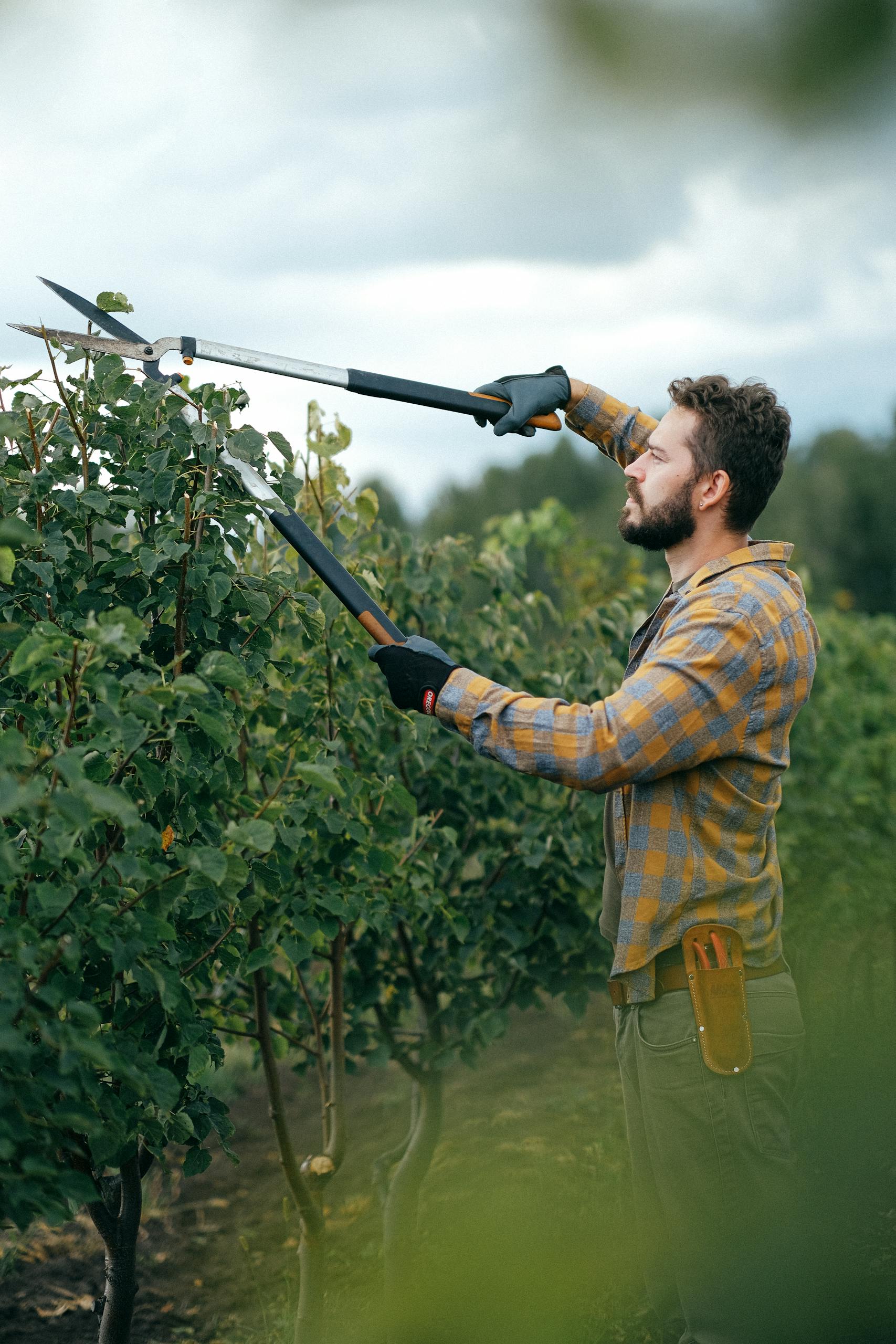
Lopping Shears (Loppers) – Used for medium-sized branches up to 2 inches thick.
Pruning Saws – For larger limbs that are too thick for loppers.
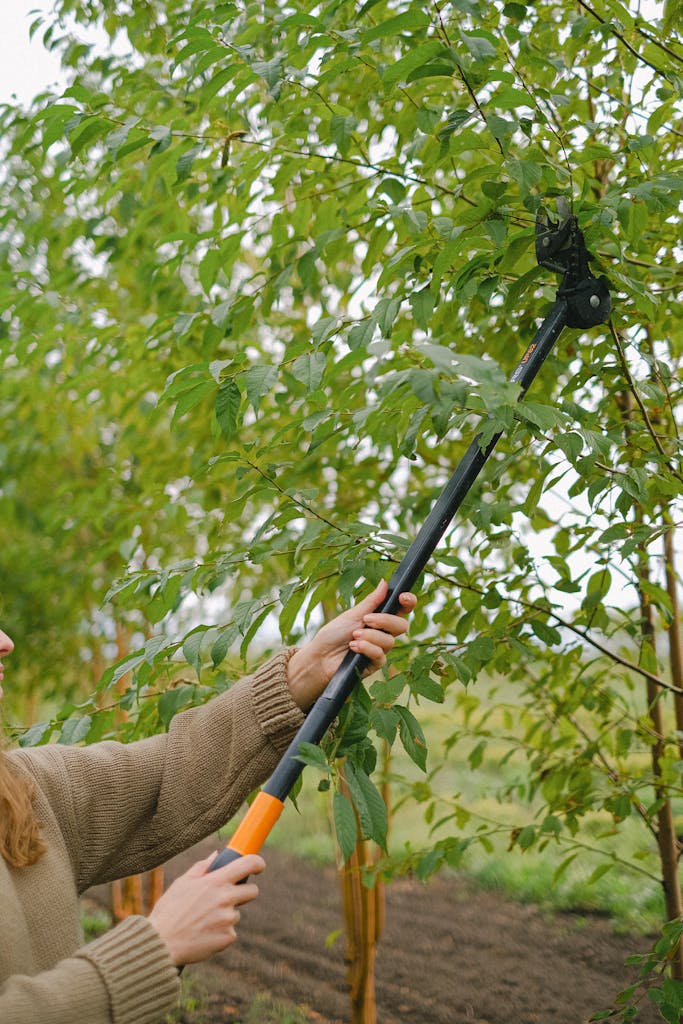
Pole Pruners – Extendable tools that reach high branches without ladders.
Chainsaws – Used for large trees or major branch removal.
Protective Gear – Including gloves, helmets, eye protection, and safety harnesses.
For large or tall trees, it’s best to hire a professional arborist with specialized equipment such as climbing gear, bucket trucks, and safety training.
—
DIY vs. Professional Tree Trimming
While light trimming and maintenance can be handled by homeowners, complex jobs—especially those involving tall trees, power lines, or structural hazards—should be left to professionals.
DIY Trimming
Pros:
Cost-effective for small trees or shrubs.
Immediate control over how the tree looks.
Cons:
Risk of improper cuts leading to disease or decay.
Safety risks from falls or tool misuse.
May not comply with local ordinances (some areas regulate tree trimming).
Professional Trimming
Pros:
Arborists have training in tree biology, safety, and proper cutting techniques.
They can diagnose diseases, pests, and structural issues.
Work is insured and compliant with local regulations.
Cons:
More expensive upfront, but often worth the investment in the long run.
—
Best Practices for Tree Trimming
To ensure successful trimming, follow these essential guidelines:
1. Identify the Purpose – Are you trimming for health, shape, or safety? Knowing the goal determines how much and where to cut.
2. Use Sharp, Clean Tools – Dull or dirty tools can tear bark and spread disease.
3. Follow the 1/3 Rule – Never remove more than one-third of a tree’s canopy in a single session.
4. Make Proper Cuts – Always cut just outside the branch collar (the swollen area at the base of a branch) to promote faster healing.
5. Avoid Over-Trimming – Excessive trimming weakens trees and increases vulnerability to sunscald and stress.
6. Dispose of Debris Properly – Diseased wood should be burned or disposed of away from healthy trees to prevent infection spread.
—
Tree Trimming and Environmental Impact
Proper trimming not only benefits individual trees but also contributes to broader environmental health. Well-maintained trees:
Absorb more carbon dioxide and pollutants.
Provide better shade and energy savings for nearby homes.
Offer stable habitats for birds, insects, and other wildlife.
However, poor trimming practices—like over-pruning or topping—can disrupt ecosystems and lead to tree death. Sustainable tree management involves respecting natural growth patterns and minimizing unnecessary interference.
—
Cost of Tree Trimming
The cost varies depending on factors like tree size, location, and condition. On average (as of 2025):
Small trees: $100–$250
Medium trees: $300–$600
Large trees: $700–$1,500+
Additional charges may apply for emergency services, stump removal, or debris hauling.
Regular maintenance, however, often reduces long-term expenses by preventing structural damage or costly removals later.
—
Conclusion
Tree trimming is more than a maintenance task—it’s a vital investment in the health, safety, and beauty of your landscape. Whether you’re managing a backyard garden or overseeing a large property, understanding how and when to trim trees ensures they grow stronger and live longer.
By combining proper techniques, regular inspection, and professional help when needed, you can keep your trees vibrant and safe for generations to come. Healthy trees not only beautify our surroundings but also sustain the environment—making every careful cut a contribution to a greener, safer world.