
Hey folks, let’s talk about something we see every day but maybe don’t think much about—green and red lights. These colors are everywhere, guiding us through busy streets, warning us of danger, or even popping up in games and stories. Green says “go ahead, it’s safe,” like a fresh start or nature blooming. Red yells “hold up, danger ahead,” reminding us of fire or a stop sign. It’s amazing how these simple colors shape our actions and feelings without us noticing.
The story of green and red lights starts way back. The first traffic signal showed up in London in 1868, made by John Peake Knight. It used gas lamps with red for stop and green for caution, inspired by train signals. Sadly, it exploded after a month, hurting the cop running it. Things got better over time. In 1912, Lester Wire in Salt Lake City made an electric version with red and green lights. Then, in 1923, Garrett Morgan patented a three-way signal adding yellow to warn folks. By the 1920s, cities like Detroit and New York had the full red-yellow-green setup we know today.
Why these colors? It’s not just random. Green and red lights grabs attention fast because it’s linked to blood and fire, making our hearts beat quicker. Green feels calm, like grass and trees, signaling safety. In psychology, red boosts energy and passion, while green brings peace and growth. But meanings change across places—red means luck in China, but danger in the West.
These lights aren’t just for roads. They’re in planes, ships, alarms, and even movies like Squid Game, where “Red Light, Green Light” turns a kid’s game into a life-or-death thing. They save lives by cutting accidents—think how many crashes we’d have without them. In the US alone, there are millions of intersections with these signals, keeping traffic flowing.
But there are challenges too, like for colorblind folks who mix up red and green. Designs are getting better with shapes or blue tints. And environmentally, old lights waste energy, but LEDs cut that by 80%. As tech advances, smart lights adjust to traffic, making things greener in more ways than one.
In this piece, I’ll dive into how these lights work in real life, what they mean to our minds, their spot in pop culture, global rules, and some hurdles. Stick around—it’s a colorful ride!
Practical Applications of Green and Red Lights
Green and red lights play big roles in keeping us safe and moving smoothly in everyday life. On roads, at sea, in the air, or during emergencies, these colors give clear signals that everyone understands. They’re not just pretty—they prevent accidents and guide us through chaos.
In traffic, red means stop, green means go. This setup started simple but grew with tech. Today, smart signals use sensors to change based on cars, cutting wait times and fuel waste. In planes and boats, the lights help avoid crashes at night or in fog. Emergency systems use red for alarms and green for safe spots, like exit signs in buildings.
These applications save lives daily. Think about it—without them, we’d have more mix-ups and dangers. But they’re evolving with LEDs and apps for better efficiency.
Traffic and Transportation
In traffic, green and red lights control the flow of cars, bikes, and folks on foot. Red stops everyone to avoid crashes, while green lets them go. Yellow warns to slow down. This system cuts accidents by a lot—studies show well-timed lights reduce collisions by 20-30%.
Globally, most places use the same colors, but some add twists like flashing red for caution. In cities, they’re synced to ease jams, but bad timing causes pollution from idling cars. New tech like connected signals talk to vehicles for smoother rides.
For buses and trains, green gives priority. Pedestrians get their own signals too. It’s all about safety and speed.
Aviation and Maritime
In aviation, planes have red lights on the left wing, green on the right, and white at the back. This helps pilots see direction at night—red means the plane’s left side, green the right. It’s like boat rules, where the port is red, starboard green. These prevent bumps in the dark sky or sea.
Boats use them for navigation—see red, give way; green, you have right of way. Rules from groups like the FAA and IMO make sure everyone follows. In fog, they’re lifesavers.
Modern planes add strobes, but the basics stay the same. It’s simple but effective.
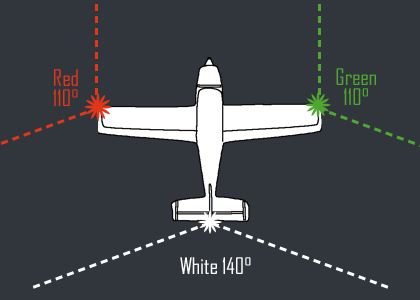
Diagram of aviation navigation lights
Safety and Emergency Systems
In safety, red lights mean danger or stop—like fire alarms or stop buttons. Green shows safe or okay, like on machines or exits. In hospitals, green might mean a room is ready, red it’s occupied.
Emergency vehicles use flashing red and blue, but some places add green for volunteers. Exit signs are red or green based on local rules—red grabs attention, green calms.
These help in crises, guiding people out fast. But colorblind folks need extra cues.
Symbolic and Psychological Meanings
Green and red carry deep meanings in our minds and culture. Psychologically, red fires us up with passion or anger, while green soothes with peace and growth. They’re used in decisions, emotions, and training behaviors.
In choices, green means yes, red no—like approving projects. Cultures vary: red luck in Asia, danger elsewhere. Conditioning uses them to teach quick responses.
These symbols influence ads, art, and daily life, showing colors’ power.
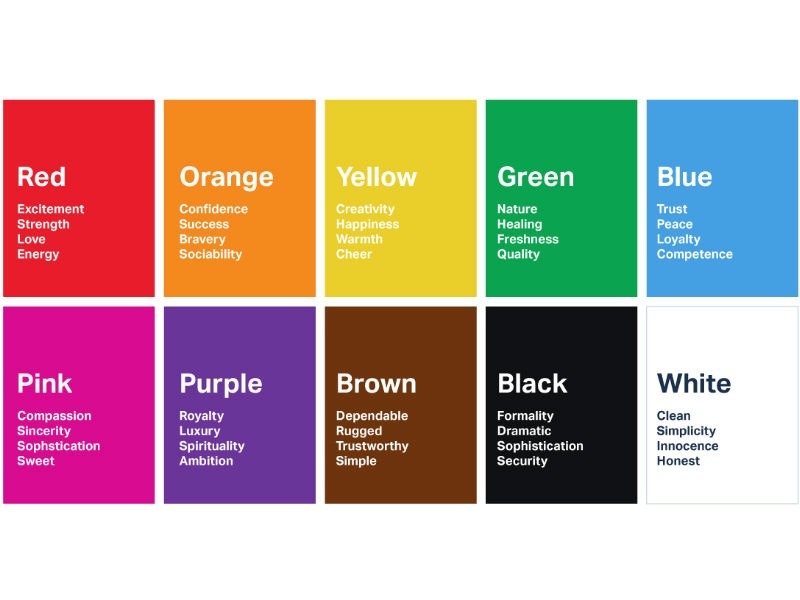
Chart showing color psychology for green and red
Decision-Making and Behavior
In decisions, green signals approval, like “greenlighting” a plan. Red flags warnings, stopping bad choices. This helps in work or life, making things clear.
Behavior-wise, red boosts alertness for risks, green encourages action. In finance, green means gains, red means losses. It’s intuitive, guiding quick calls.
But watch cultural twists—red positive in some places.
Emotional and Cultural Associations
Emotionally, red stirs excitement, love, or anger; green brings calm, hope, or envy. Cultures differ: red joy in China, mourning in South Africa. Green ties to nature worldwide but jealousy in the West.
These links shape moods and traditions, like red for holidays.
Behavioral Conditioning
Conditioning uses green for reward, red for stop—like in labs where animals learn from lights. In schools, behavior charts use colors to guide kids. Traffic trains us to react fast.
It improves compliance, but over-reliance can cause issues.
Green and Red Lights in Pop Culture
Pop culture loves green and Green and red lights for drama and fun. From games to books, they symbolize choices, danger, or hope. Squid Game made “Red Light, Green Light” famous worldwide.
In the media, they’re in shows and movies for tension. Literature uses them as metaphors, like Gatsby’s green light for dreams. They make stories relatable.
Culture keeps these colors alive in entertainment.
Squid Game and “Red Light, Green Light”
In Squid Game, “Red Light, Green Light” is a deadly twist on a kid’s game. Green means move toward the prize, red means freeze or die. It shows survival under pressure, mirroring real struggles.
The doll scans for movement, adding tension. Fans recreated it, sparking talks on inequality.
Media and Entertainment
The media uses green and red for signals—like on/off in tech or live cues on TV. In films, red lighting builds suspense, green calm. Game shows use them for buzz.
They’re versatile, enhancing stories.
Literature and Metaphors
In books, the green light in Gatsby means hope but out of reach. Red signals danger or passion. Metaphors like “greenlight” mean “approve, “red light stops.
They add depth to tales.
Global Standards and Variations
Worldwide, green and red lights follow similar rules, but with tweaks. The 1968 Vienna Convention set red stop, green go for traffic. Cultures vary meanings, tech adapts them.
Standards ensure safety across borders.
Standardization in Traffic Systems
Global pacts like Vienna make red top for stop, green bottom for go. Some add amber. Accessibility uses shapes for colorblind.
It’s mostly uniform.
Cultural Variations
Red luck in China, danger in the West; green nature everywhere but envy too. Stock markets flip: red up in Asia.
Understand global design.
Technological Adaptations
Smart lights adjust with AI, cutting emissions. Apps warn drivers. LEDs save power.
The future is efficient.
Challenges and Considerations
Green and red lights have issues like colorblind access, mix-ups, and eco impact. About 8% of men can’t tell them apart. Cultural differences cause confusion.
Energy use is a concern, but fixes exist.
Colorblindness and Accessibility
Red-green blind folks use position: red top, green bottom. Designs add shapes or blue-green. Sounds help too.
It’s improving.
Misinterpretation Risks
Cultural flips like red positives lead to errors. In signals, bad timing confuses. Backups like radio fix it.
Caution key.
Environmental and Energy Concerns
Lights cause idling emissions—billions of tons yearly. LEDs cut energy 80%, solar helps remote spots.
Greener options rising.
Conclusion
Green and red lights are more than signals—they guide our world. From roads to minds, they mean safety, stop, hope, or warning. History shows evolution from gas lamps to smart tech.
Their impact is huge, saving lives and shaping culture. The future holds inclusive, eco-friendly versions.
Notice them next time—they’re powerful.
FAQs About Green and Red Lights
Hey there! Green and red lights are everywhere—traffic, planes, games like Squid Game, and even our daily decisions. They guide us with simple signals: green for go, red for stop. Below, I’ve answered five frequently asked questions about these colors, inspired by fan chats on Reddit, pop culture buzz, and traffic signal discussions online. These cover their uses, meanings, and challenges, keeping it straightforward and fun.
1. Why are green and red used for traffic lights?
Green and red were chosen for traffic lights because they’re easy to spot and carry strong meanings. Red, linked to danger like fire or blood, grabs attention and signals stop to prevent crashes. Green, tied to nature and calm, says go safely. The setup started in 1868 with gas lamps in London, inspired by train signals. By the 1920s, electric lights with red, yellow, and green became standard worldwide, cutting accidents by about 20-30% when timed right. Their universal vibe—red for danger, green for safe—makes them intuitive across cultures, though some places tweak meanings or add shapes for clarity.
2. How do green and red lights work in aviation and maritime settings?
In planes and boats, Green and red lights and red lights prevent collisions, especially in dark or foggy conditions. Planes have red on the left wing (port) and green on the right (starboard), with white at the tail, showing direction to others. Boats follow the same: red for port, green for starboard, helping captains know who has the right of way. Rules from groups like the FAA and IMO keep these consistent globally. They’re lifesavers, guiding safe paths when visibility’s low, and pilots or sailors rely on them alongside radio or radar.
3. What do green and red lights symbolize in culture and psychology?
Green and red lights carry big symbolic weight. Psychologically, red spikes alertness, tied to passion or danger, while green calms, linked to growth and safety. In decisions, green means “go ahead” (like greenlighting a project), and red says “stop” (like a red flag for trouble). Culturally, red can mean luck in China but danger in the West; green often signals nature or envy. In pop culture, like The Great Gatsby, green lights mean hope, while red signals warnings. These meanings shape ads, stories, and even how we feel daily.
4. How are green and red lights used in Squid Game’s “Red Light, Green Light”?
In Squid Game, “Red Light, Green Light” is a deadly version of the kid’s game. A giant doll is called “green light” to let players run toward a goal and “red light” to make them freeze—moving on red means elimination. It’s tense, showing life-or-death stakes under pressure, mirroring real-world struggles like debt or survival. The game went viral, with fans recreating it on TikTok and Reddit, sparking talks about its brutal take on society. Green and red here amplify the thrill, making every move critical and unforgettable.
5. What challenges do green and red lights pose for colorblind people?
About 8% of men and 0.5% of women have red-green colorblindness, making it hard to tell these lights apart. In traffic, signals use positions—red on top, Green and red lights on bottom—or add shapes like triangles for red. Some places use blue-green shades or flashing patterns. In aviation, pilots rely on light placement and other cues like radio. Accessibility is improving with tactile signals for pedestrians and apps for drivers, but gaps remain, especially in older systems. It’s a reminder to design with everyone in mind.